

Carpet Cleaning Denver services employ hot water extraction techniques that, if not managed properly, can cause significant water damage, leading to mold growth, indoor air quality issues, and structural damage. Professional Carpet Cleaning Denver uses advanced equipment with adjustable pressure settings for gentle yet thorough cleaning, minimizing moisture and drying times. Regular maintenance, including routine vacuuming and deep cleaning every 12-18 months, prevents water damage and extends carpet lifespan. Early intervention by professionals protects investments and facilitates quicker restoration after water damage. Proper prevention strategies include using high-quality fans or dehumidifiers post-cleaning and regularly monitoring carpets for moisture levels to reduce the risk of water damage.
Water damage from carpet cleaning is a common challenge faced by many Denver residents. Carpet Cleaning Denver requires a delicate balance—too much moisture can leave behind unsightly puddles and musty odors, while too little can leave stains and residue. Understanding the intricacies of this process is crucial to mitigating potential harm. This article provides an in-depth guide on how to effectively fix water damage from carpet cleaning, ensuring your Denver home remains a comfortable and hygienic space. By following these expert recommendations, you’ll learn not only to restore your carpets but also to prevent future issues.
- Understanding Water Damage from Carpet Cleaning Denver
- Immediate Steps After Water Damage Occurs in Denver
- Dry Out and Clean Your Carpet Effectively in Denver
- Preventing Future Water Damage from Carpet Cleaning
Understanding Water Damage from Carpet Cleaning Denver
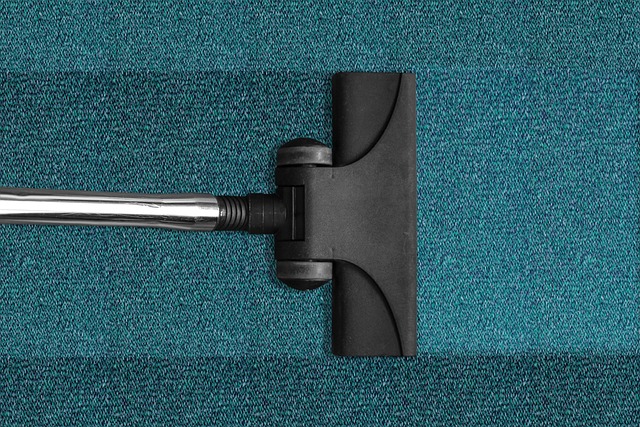
Water damage from carpet cleaning can pose significant challenges for both residential and commercial spaces in Denver. Understanding the scope of this issue is crucial for effective prevention and mitigation. In Denver, where humidity levels often rise during spring and summer months, improperly executed carpet cleaning can lead to rapid growth of mold and mildew, compromising indoor air quality and potentially causing structural damage over time.
Professional carpet cleaning services in Denver typically employ hot water extraction methods that, if not done right, can leave behind excess moisture. This is particularly problematic for dense carpets that take longer to dry. Commercial carpet cleaning in Denver should aim for thorough yet gentle cleaning techniques to minimize water usage and drying times. For instance, using advanced equipment with adjustable pressure settings allows for customized cleaning without over-saturating the carpet fibers.
Before and after photos of carpet cleaning Denver projects can offer valuable insights into the effectiveness of different cleaning methods. Quality professionals will document the condition of the carpet before treatment, ensuring transparency and enabling clients to appreciate the transformation. After the cleaning process is complete, visually assessing the carpet’s dryness, color vibrancy, and overall texture confirms the success of the cleaning. Regular maintenance, including routine vacuuming and professional deep cleaning every 12-18 months, can prevent water damage and preserve the lifespan of carpets in Denver homes and businesses.
Immediate Steps After Water Damage Occurs in Denver

When water damage occurs in your Denver home or commercial space, immediate action is crucial to prevent extensive harm. The first 24 to 48 hours are a race against time for restoration, especially when dealing with valuable assets like carpets. In this critical period, every minute counts to mitigate the impact of water saturation. One of the primary steps after identifying water damage in Denver properties is to stop the water source and remove excess moisture as quickly as possible. This involves disconnecting damaged appliances or pipelines to prevent further leakage and using high-efficiency vacuum systems to extract standing water from carpets and flooring, such as hardwood flooring Denver residents often treasure.
Carpet cleaning Denver professionals emphasize the importance of a thorough assessment before beginning any restoration process. They will inspect for hidden moisture pockets, which could indicate deeper issues within walls or under flooring. In cases of severe water damage, deep carpet cleaning Denver techniques become essential to ensure the complete removal of moisture and bacteria. Companies specializing in Denver carpet cleaning often employ advanced equipment like high-powered extractors and dehumidifiers to dry out carpets quickly while minimizing the risk of mold growth. This is particularly crucial for areas with poor ventilation or during colder months when drying times can be longer.
For hardwood flooring Denver residents invest in, prompt action is equally vital. Unlike carpets, these natural materials require delicate handling during water damage restoration. Professional cleaners in Denver understand that excessive moisture can cause warping or staining. Therefore, they use specialized techniques tailored to hardwood, such as low-moisture cleaning methods and precise humidity control. By taking these immediate steps after water damage occurs, Denver homeowners and business owners can protect their investments, preserve the beauty of their floors and carpets, and ensure a more rapid return to normalcy.
Dry Out and Clean Your Carpet Effectively in Denver

In the aftermath of water damage, efficient carpet cleaning Denver becomes a critical step in restoration. The process involves two primary stages: drying and cleaning. Adequate drying is essential to prevent mold growth and ensure your carpet retains its structure. Natural methods like air movement with fans and dehumidifiers can significantly expedite this process. Once the carpet is dry, professional carpet steam cleaning Denver becomes the go-to solution for thorough cleaning. This method uses hot water and steam to effectively remove embedded dirt, allergens, and bacteria.
Carpet steam cleaning Denver offers multiple advantages over traditional chemical-based cleaning methods. It’s eco-friendly, as it minimizes the use of harsh chemicals, and it’s healthier for both your family and pets. The high temperature of the steam kills germs and eliminates odors naturally. Moreover, professional carpet cleaning solutions Denver employs specialized equipment that penetrates deep into the carpet fibers, ensuring a more comprehensive clean than standard vacuum cleaners.
For instance, according to a study by the Institute of Inspection, Cleaning and Restoration Certification (IICRC), carpets cleaned with steam exhibited 97% less bacteria compared to those cleaned with traditional methods. This underscores the effectiveness of expert carpet cleaning solutions Denver in maintaining a hygienic living environment. To ensure optimal results, it’s recommended to seek professional assistance for severe water damage cases or when dealing with delicate fiber types. Prompt action and employing the right cleaning techniques are key to saving your carpets and avoiding extensive repairs.
Preventing Future Water Damage from Carpet Cleaning

Water damage from carpet cleaning can be a significant issue, but with proper prevention strategies, homeowners in Denver can avoid costly repairs. Carpet Cleaning Denver services often involve deep cleaning techniques that use water and specialized solutions to remove deeply embedded dirt and odors. However, excessive moisture left behind after these processes can lead to mold growth, wood warping, and damage to tile flooring Denver residents frequently have. To prevent future water damage, it’s essential to understand the process and implement effective post-cleaning measures.
One of the primary steps in preventing water damage is ensuring thorough drying after Carpet Cleaning Denver sessions. Deep carpet cleaning Denver methods can leave moisture trapped within the fibers, especially in thicker carpets. To mitigate this, use high-quality fans or dehumidifiers strategically placed throughout the treated areas to expedite drying. Allow 24-48 hours for complete dryness before allowing heavy foot traffic or using the space. For instance, studies show that improper drying after carpet cleaning can lead to up to 30% of moisture remaining, potentially causing damage within a week if not addressed properly.
Additionally, regular monitoring and maintenance are vital. Periodically inspect your carpets and tile flooring Denver areas for signs of water damage or unusual moisture levels. Address any lingering odors promptly with Carpet Odor Removal Denver services to prevent the growth of mold and mildew. Regular deep cleaning sessions combined with proactive monitoring can significantly reduce the risk of water damage. Remember, a well-maintained carpet is less likely to cause future issues, ensuring your home remains a safe, dry space for years to come.
In addressing water damage from Carpet Cleaning Denver, this article has provided a comprehensive guide encompassing understanding the issue, immediate response strategies, effective drying and cleaning processes, and preventive measures. Key takeaways include the critical importance of swift action after water damage occurs, utilizing professional drying techniques to prevent mold growth, and implementing regular maintenance to safeguard against future incidents. By following these practical steps, homeowners and businesses in Denver can ensure their carpets remain in pristine condition while mitigating potential structural and health risks associated with water damage. This authoritative article equips readers with the knowledge and tools necessary to effectively manage and prevent water damage resulting from Carpet Cleaning Denver services.